Why Crickets Invade Homes And How To Stop Them
To stop crickets from invading homes, local residential cricket control service providers can identify entry points and implement effective barriers and treatments.
Many property owners discover that crickets suddenly appear in their homes, especially during certain seasons or after specific weather changes. Understanding why crickets invade homes and how to stop them can help prevent these unwelcome visitors from disrupting comfort and peace. Individuals living in the area might find that crickets are attracted to warm, dark spaces or areas with nearby vegetation, making it important to address entry points and surrounding conditions. Exploring practical solutions and knowing when to seek assistance from local contractors can be a key step toward effective cricket control.
Local contractors specializing in residential cricket control offer targeted strategies to eliminate existing infestations and reduce the chances of future invasions. These professionals can assess property conditions, identify entry points, and implement tailored treatments that address the root causes of cricket activity. If crickets have become a recurring issue, connecting with local experts can provide peace of mind and practical solutions to keep homes comfortable and cricket-free. Keep reading to learn more about why crickets invade and how professional services can help manage the problem effectively.
- Residential cricket control services are needed when homeowners notice crickets inside their living spaces and want effective removal methods. Local contractors approach these situations by inspecting entry points and applying targeted treatments to eliminate existing crickets and prevent future invasions. These services are suitable for addressing issues caused by cracks, gaps, or damaged screens that allow crickets to enter homes. Professionals may also advise on sealing and habitat modification to reduce attractants and discourage crickets from invading. Contacting local service providers ensures tailored solutions to stop crickets from invading homes and address underlying entry points.
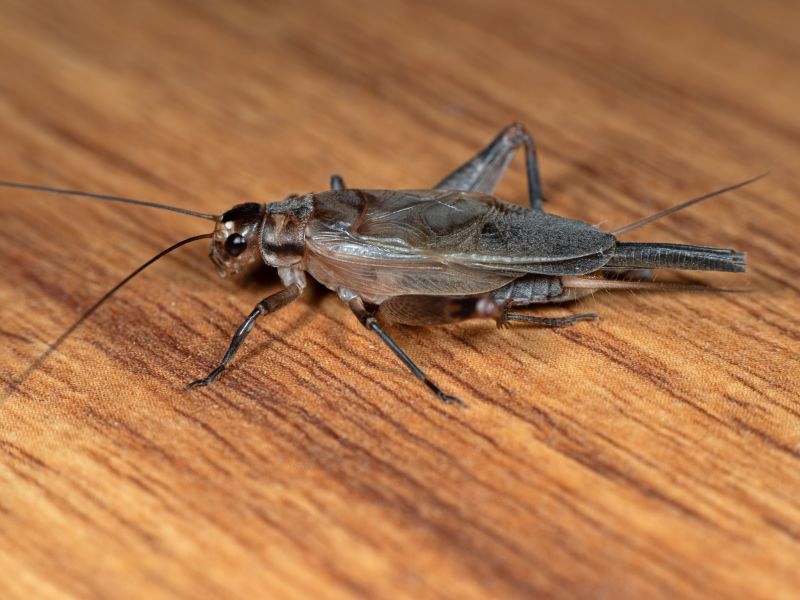
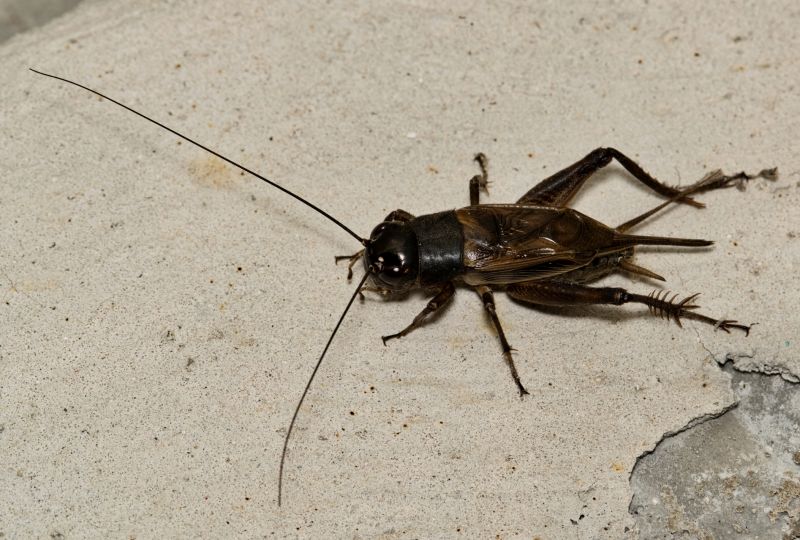
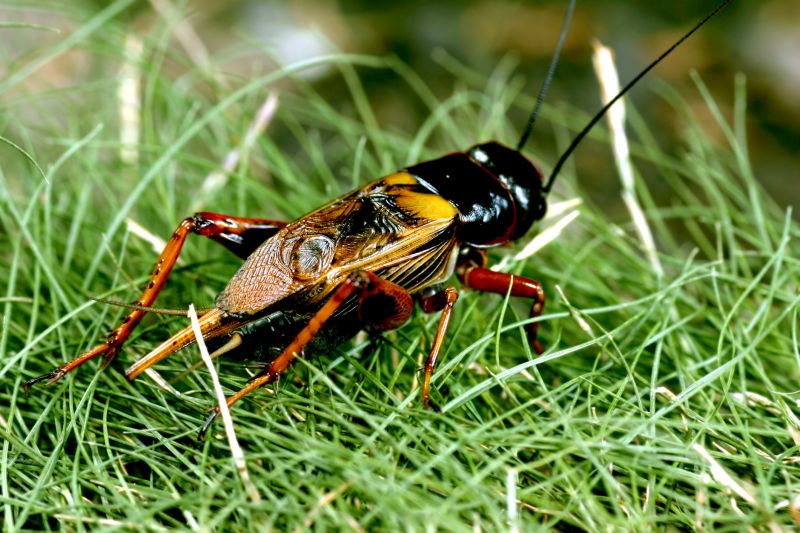
When people search for why crickets invade homes and how to stop them, they are often looking to understand the reasons behind these unwanted visitors and find practical solutions to eliminate the problem. Crickets are typically associated with outdoor environments, but they can become a nuisance when they find their way inside residential properties. Homeowners may notice chirping sounds, small holes, or damage to fabrics and paper as signs of cricket activity. This search topic relates to common issues such as unwanted noise, potential structural entry points, and the desire to prevent crickets from becoming a persistent indoor problem. Many homeowners are also interested in learning about the best ways to keep these insects out and maintain a comfortable living space.
The problems linked to cricket invasions often involve disturbances caused by their presence, especially during warm months when they are most active. Crickets tend to seek shelter in dark, moist, and undisturbed areas of homes, such as basements, crawl spaces, or behind walls. Their attraction to these spaces is often driven by the availability of food sources like organic debris or plant matter near the foundation. For property owners, the plan to stop crickets from invading involves identifying and sealing entry points, reducing outdoor attractants, and managing moisture levels. These steps help create a less inviting environment for crickets and reduce the likelihood of future invasions.
Certain types of properties are more prone to cricket invasions, especially those with specific structural features or landscaping. Homes with cracks in the foundation, gaps around windows and doors, or poorly sealed vents are more vulnerable to cricket entry. Properties situated near grassy or wooded areas tend to attract crickets because these environments provide ample food and shelter. Additionally, properties with dense shrubbery or mulch close to the foundation can serve as a bridge for crickets to access indoor spaces. Recognizing these property characteristics helps homeowners understand the risk factors involved and highlights the importance of professional services that can assess and address vulnerabilities.
Local residential cricket control service providers play a vital role in helping homeowners address these issues effectively. These professionals can conduct thorough inspections to identify entry points, nesting sites, and environmental conditions favoring crickets. They often recommend targeted exclusion techniques, such as sealing cracks and installing barriers, along with habitat modifications like reducing moisture and trimming landscaping. Engaging with experienced service providers ensures that the problem is handled comprehensively, reducing the chances of recurring invasions. For homeowners seeking practical, long-term solutions, working with local pros offers expert guidance and tailored strategies to keep crickets outside where they belong.
Home Inspection Projects - These involve assessing the property to identify entry points and attractants that lead to cricket invasions, similar to evaluating conditions that attract pests indoors.
Pest Prevention Planning - Developing strategies to block cricket entry and reduce indoor attractants requires planning skills comparable to those used in residential pest control services.
Sealing and Weatherproofing Projects - Applying sealing techniques to gaps and cracks around a home helps prevent crickets from entering, aligning with the skills used in pest exclusion efforts.
Landscape Modification Projects - Adjusting yard and garden features to reduce outdoor habitats that attract crickets can be similar to pest habitat management performed by local contractors.
Moisture Control Services - Installing or improving drainage and moisture barriers addresses conditions that attract crickets, akin to moisture management in pest prevention.
Structural Repair Projects - Fixing damaged or deteriorated building elements prevents entry points, paralleling repair work done in pest-proofing homes by service providers.
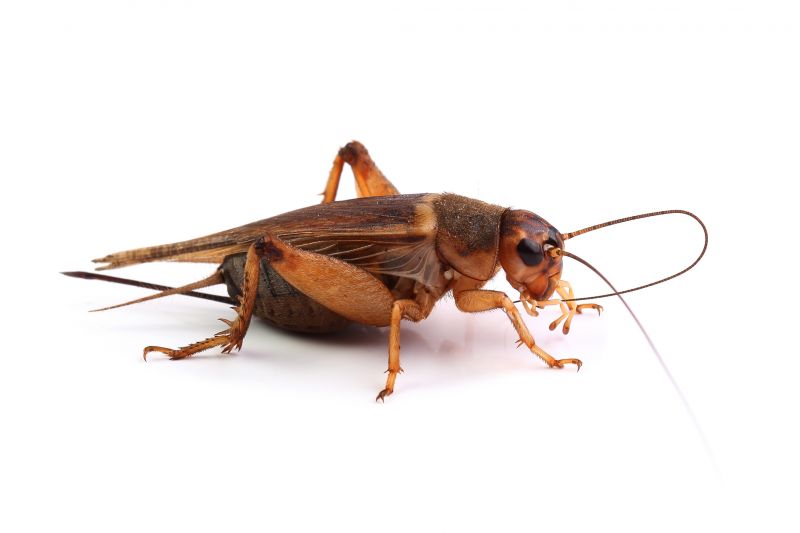
When evaluating residential cricket control services, it is important to consider the experience of local contractors with similar projects. Homeowners should inquire about how long a service provider has been handling cricket infestations and whether they have a track record of successfully managing issues like why crickets invade homes and how to stop them. An experienced contractor will understand common entry points, attractants, and effective strategies for removal and prevention, which can contribute to more reliable results. Clarifying the scope of their past work can help gauge their familiarity with the specific challenges posed by crickets in residential settings.
Clear written expectations are essential when choosing a service provider for cricket control. Homeowners should seek detailed information about what the process involves, what treatments or methods will be used, and what steps are necessary for ongoing prevention. Having this information in writing helps ensure that both parties are aligned on what the service entails and can prevent misunderstandings. Reputable local contractors will be transparent about their approach and provide documentation that outlines the scope of work, which aids in making an informed decision.
Reputation and communication are key factors when comparing local pros for cricket control services. Homeowners should look for providers with positive references or reviews from previous clients who experienced similar issues. Good communication is also vital; service providers should be accessible, responsive to questions, and able to explain their recommendations clearly. This openness helps homeowners feel confident in the choice of contractor and ensures that any concerns about why crickets invade homes and how to stop them are addressed effectively throughout the process.
Property owners often search for why crickets invade homes and how to stop them when they are planning practical projects around their homes and businesses. Local pros provide Residential Cricket Control services for everyday jobs and straightforward project options.
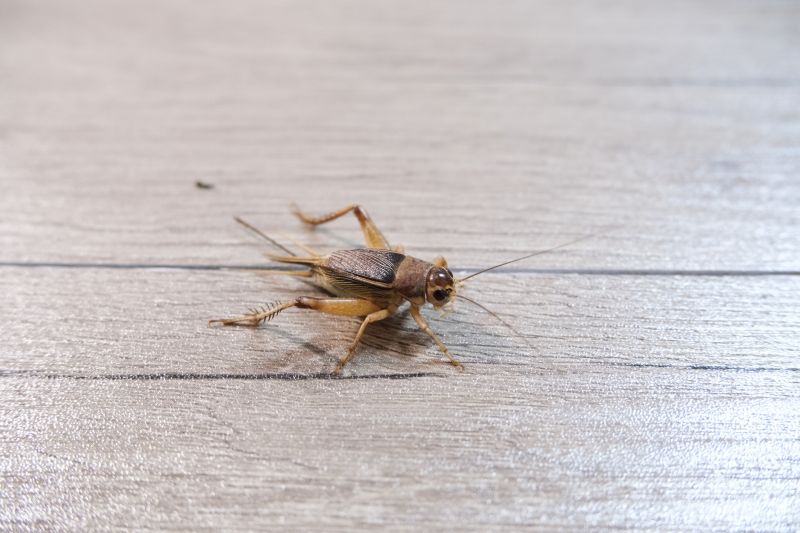
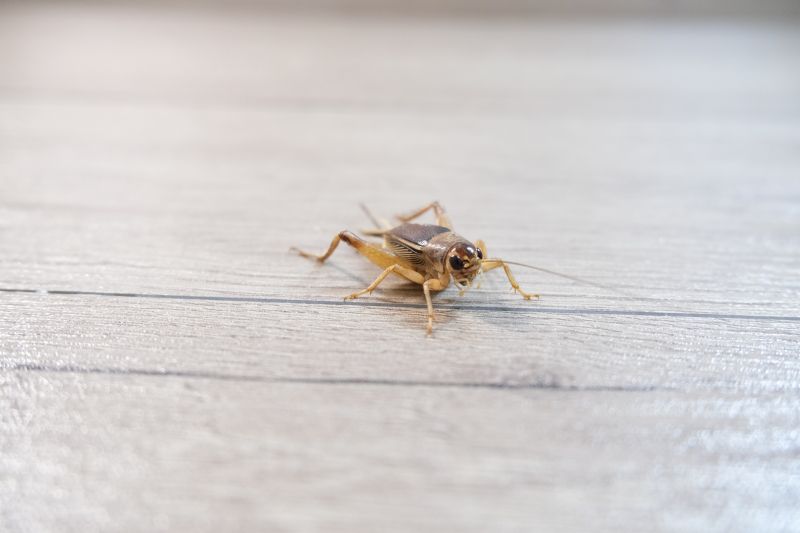
Crickets often invade homes during warm months when they seek shelter and food sources inside. Common reasons for these intrusions include gaps around doors and windows, cracks in the foundation, or openings near vents and utility lines. Property owners noticing chirping sounds or finding crickets inside may wonder why they are attracted to their homes and how to prevent future invasions. Local contractors specializing in residential cricket control can assess these entry points and recommend effective solutions to keep these pests outside where they belong.
Understanding why crickets invade homes and how to stop them can be straightforward with the help of experienced service providers. These professionals typically focus on sealing entry points, removing debris near the foundation, and implementing targeted treatments to deter crickets from entering. Property owners searching for reliable ways to address cricket issues often benefit from consulting local contractors who have the knowledge and tools to handle these common invasions efficiently. Connecting with the right service providers can help maintain a pest-free home environment and reduce the likelihood of future cricket intrusions.
Why do crickets often invade homes? Crickets are attracted to homes due to warmth, moisture, and easy access to food sources, especially during certain seasons or when their outdoor environment becomes less hospitable. Local contractors can identify entry points and conditions that attract crickets to help prevent invasions.
How can I stop crickets from entering my home? To stop crickets from invading, professionals typically seal cracks and gaps, eliminate moisture sources, and reduce outdoor clutter near the home. Local service providers can implement targeted exclusion methods to keep crickets out effectively.
What are the signs that crickets have invaded my home? Common signs include chirping sounds, sightings of live or dead crickets, and damage to fabrics or paper. Local contractors can assess your property to confirm an infestation and recommend control strategies.
Are there specific areas in the home where crickets tend to hide? Crickets often hide in basements, crawl spaces, behind appliances, and near door or window frames. Service providers can identify these common hiding spots and treat them to reduce cricket populations.
What methods do professionals use to control cricket infestations? Local contractors may use a combination of exclusion, habitat modification, and targeted treatments to control crickets. They focus on addressing the conditions that attract crickets and preventing future invasions.
Identify entry points - property owners can inspect and seal gaps around doors, windows, and foundation cracks with help from local contractors to prevent crickets from entering.
Reduce attractants - removing debris, dense vegetation, and moisture sources around the home can make the environment less appealing to crickets, with advice from local pros.
Implement barrier methods - installing screens or mesh over vents and crawl spaces can block crickets from gaining access, supported by local service providers.
Schedule regular inspections - routine assessments by local contractors can help detect early signs of infestation and address vulnerabilities before crickets invade.
If you are thinking about why crickets invade homes and how to stop them for a property, this guide is meant to help you understand this topic, the typical project types, and how different options might fit your plans.
When you are ready, you can use the quote form on this page to share a few details about your project. From there, local pros can review the basics and follow up with options that match what you have in mind.