Why Commercial Insect Control Is Different From Residential Pest Control
Commercial insect control aims to manage pest issues unique to businesses, with local service providers offering specialized solutions tailored to these environments.
Understanding why commercial insect control is different from residential pest control is essential for property owners seeking effective solutions. Commercial environments often face unique challenges, such as larger spaces, higher foot traffic, and strict sanitation standards, which require specialized strategies. Property owners in the area who are managing businesses, warehouses, or other commercial facilities may find that standard residential treatments aren’t enough to address these complexities. Local service providers are equipped to tailor their approaches to meet the specific needs of commercial properties, helping to create a pest-free environment that supports business operations and safety.
Exploring the differences between commercial and residential insect control can help property owners make informed decisions about pest management. Commercial insect control typically involves more comprehensive planning, frequent inspections, and targeted treatments designed to prevent infestations before they start. Local contractors understand the distinct requirements of commercial spaces and can offer services that align with industry standards and regulations. Whether maintaining a retail store, office building, or industrial site, property owners can benefit from connecting with local experts who specialize in the unique demands of commercial insect control to ensure their spaces remain pest-free and compliant.
- When a business needs to prevent pest infestations that could disrupt operations, local contractors implement tailored strategies for commercial properties. - For large-scale facilities requiring ongoing pest management, local service providers develop customized plans to address specific insect challenges. - When pest control involves sensitive environments or high-traffic areas, local pros use specialized methods suited for commercial settings. - For businesses facing recurring pest issues, local contractors design integrated approaches that focus on long-term prevention. - When a commercial property demands compliance with industry standards, local pest control providers adapt their techniques to meet regulatory requirements.
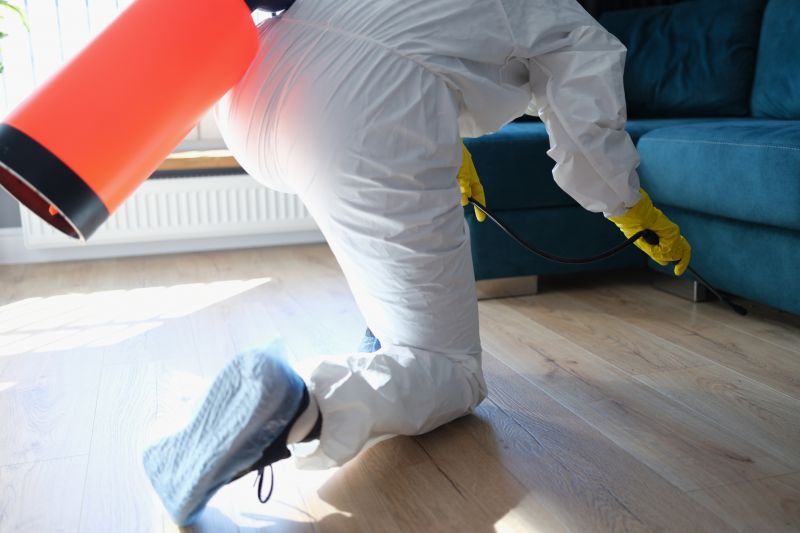
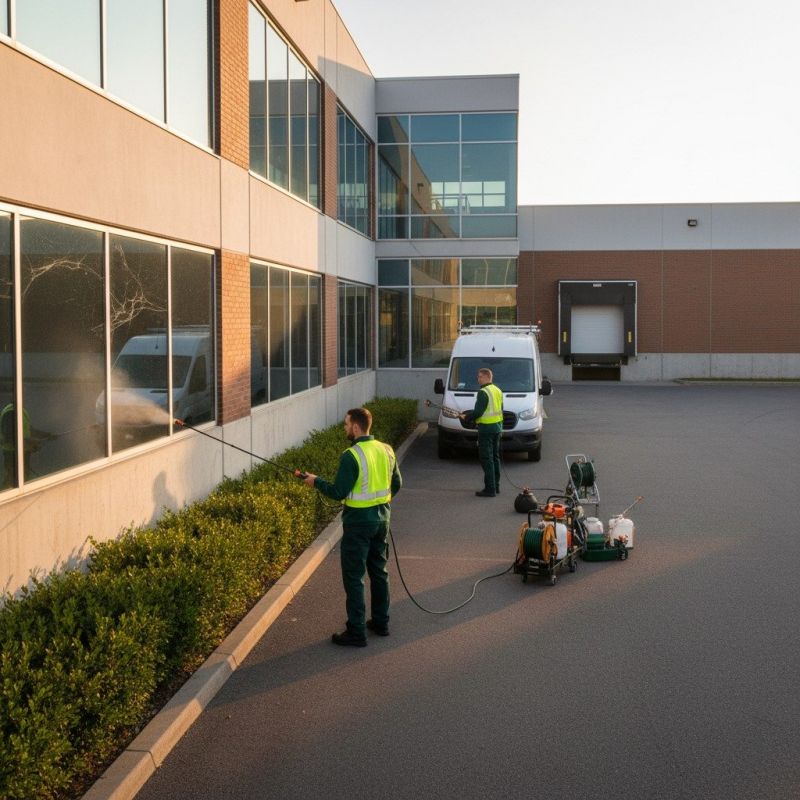
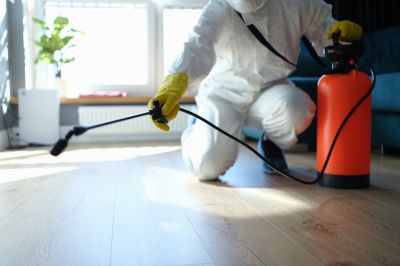
When people search for why commercial insect control is different from residential pest control, they are often trying to understand the unique challenges faced by businesses compared to homes. Residential pest control typically focuses on protecting individual households from common pests like ants, spiders, or cockroaches. In contrast, commercial insect control deals with larger-scale infestations that can impact the operations of a business, such as restaurants, warehouses, or retail stores. These searches usually relate to concerns about maintaining a pest-free environment to meet health standards, prevent business disruptions, or protect a brand’s reputation. Understanding these differences helps property owners recognize that commercial pest control involves tailored strategies suited to the specific needs of their property type and business activity.
The problems addressed by commercial insect control often involve more complex or persistent pest issues that can threaten a business’s daily operations. For example, food service establishments need to prevent insects from contaminating products, while manufacturing facilities might require ongoing treatments to keep pests from damaging equipment or products. Plans for commercial insect control are typically more comprehensive, involving detailed inspections, frequent monitoring, and integrated pest management techniques designed to minimize disruption. These approaches are aimed at controlling pests efficiently across larger areas and often involve collaboration with the business to develop a long-term solution that aligns with operational schedules and safety protocols.
Properties that come up frequently in discussions about commercial insect control include restaurants, grocery stores, food processing plants, warehouses, hotels, and office buildings. These locations often have specific regulations and standards that require ongoing pest management to ensure cleanliness and safety. Unlike residential properties, which are usually smaller and less complex, commercial properties tend to be larger, more varied in layout, and more sensitive to pest issues. Local service providers understand these complexities and can customize their treatments accordingly, ensuring that pest control measures do not interfere with daily business activities while effectively managing infestations.
Homeowners exploring why commercial insect control differs from residential services often discover that the scope and scale of treatment are significantly different. Commercial pest control requires specialized equipment, more frequent visits, and targeted strategies to address the unique risks associated with business environments. Local contractors who offer commercial insect control services are equipped to handle these larger, more complex projects, often working around business hours and adhering to industry standards. For property owners, understanding these distinctions highlights the importance of choosing experienced professionals who can tailor their approach to the specific demands of commercial settings, ensuring pests are managed effectively without disrupting operations.
Commercial cleaning projects involve pest management tasks that require specialized planning and equipment, similar to those used in commercial insect control services.
Warehouse pest management demands large-scale treatment strategies and detailed inspections, aligning with the skills needed for commercial insect control.
Food processing facility pest prevention involves strict sanitation and targeted treatments, paralleling the approaches used by local contractors in commercial settings.
Hospital and healthcare pest control requires precise application techniques and safety considerations, similar to those in commercial insect management.
Industrial facility pest mitigation involves managing pests in complex environments, which shares planning and technical expertise with commercial insect control services.
Hospitality industry pest management includes large-area treatments and ongoing monitoring, comparable to the methods used by local service providers in commercial insect control.
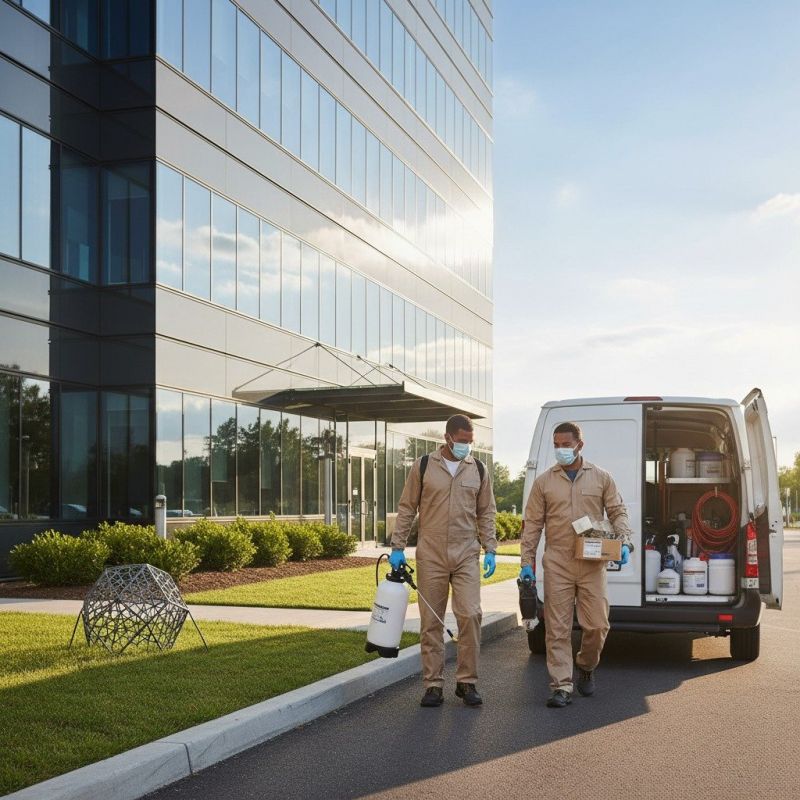
When comparing service providers for commercial insect control, it is important to consider their experience with similar types of projects. Commercial pest control often involves larger-scale treatments, specialized procedures, and a different approach to managing infestations compared to residential work. Service providers who have a proven track record with commercial properties are more likely to understand the unique challenges and requirements of business environments, such as food service facilities, warehouses, or office buildings. Inquiring about their experience with projects similar in scope and industry can help ensure that the selected contractor is well-equipped to handle the specific needs of a commercial setting.
Clear written expectations are essential when evaluating potential service providers for commercial insect control. This includes detailed descriptions of the treatment methods, the frequency of visits, and what the client can expect in terms of results. Having a transparent plan helps prevent misunderstandings and ensures that both parties are aligned on the scope of work. Reputable contractors will typically provide written estimates or proposals that outline the services to be performed, the areas covered, and any preparation or follow-up needed. This clarity can make it easier to compare different providers and determine which one offers the most comprehensive and appropriate approach for the business.
Reputable references and strong communication are key factors in selecting a service provider for commercial insect control. References from other commercial clients can provide insight into the contractor’s reliability, professionalism, and effectiveness in similar projects. It is also important to choose a provider that maintains open and responsive communication, making it easier to address questions, adjust services as needed, and stay informed throughout the process. Service providers who prioritize clear communication and have positive references are more likely to deliver a smooth experience and meet the specific demands of a commercial environment effectively.
Property owners often search for why commercial insect control is different from residential pest control when they are planning practical projects around their homes and businesses. Local pros provide Commercial Insect Control services for everyday jobs and straightforward project options.
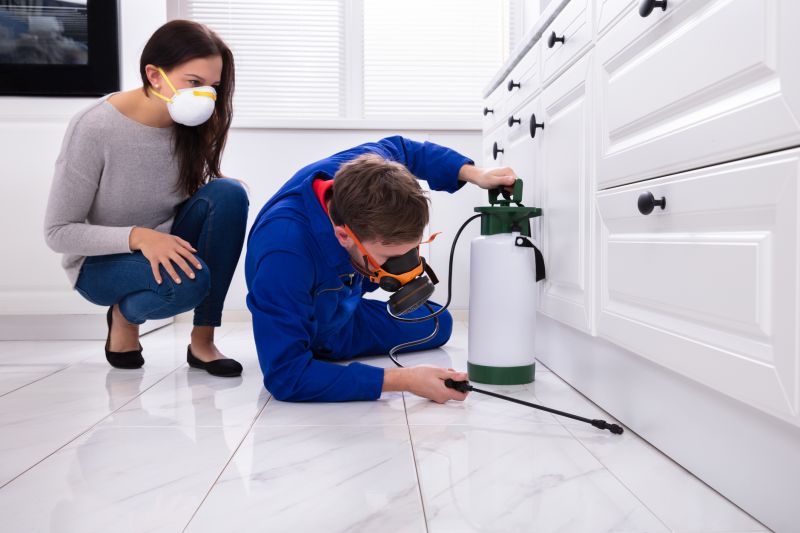
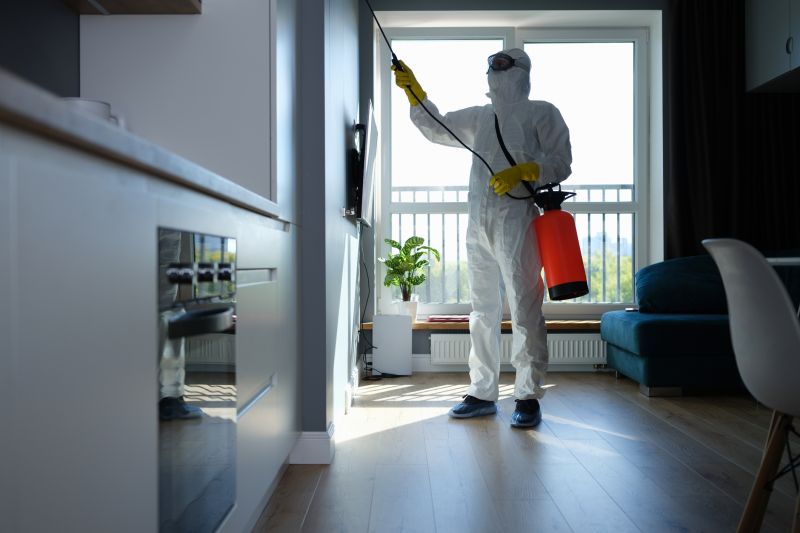
Understanding why commercial insect control is different from residential pest control can help property owners make informed decisions when addressing pest issues in business environments. Commercial settings often present unique challenges, such as larger spaces, higher foot traffic, and the need to meet industry-specific regulations. These factors require specialized strategies and products that are typically handled by local contractors experienced in commercial pest management. Property owners searching for solutions may find that commercial insect control services are tailored to handle the scale and complexity of larger facilities, ensuring that pest problems are managed efficiently without disrupting daily operations.
For property owners in the area, considering commercial insect control services from local service providers can be a practical step toward maintaining a pest-free environment in business spaces. Unlike residential treatments, commercial pest control often involves more comprehensive planning, ongoing monitoring, and targeted treatments designed for industrial or retail settings. Local contractors understand the specific needs of commercial properties and can provide customized solutions that address the unique conditions of these environments. This approach helps ensure that pest issues are addressed effectively, supporting the smooth operation of a business while adhering to any relevant industry standards.
How does commercial insect control differ from residential pest control? Commercial insect control services are tailored to address larger-scale infestations and specific pest threats common in business environments, requiring different strategies and products than residential pest control providers typically use.
Why do commercial insect control services require specialized approaches? Commercial settings often involve higher occupancy and different structural features, which demand customized treatment plans and preventive measures that local contractors can provide based on the property type and business needs.
What types of pests are typically targeted by commercial insect control? Commercial insect control often focuses on pests that can impact operations or pose health risks, such as stored product pests, flies, and cockroaches, with local service providers equipped to handle these specific issues effectively.
How are treatment methods different for commercial versus residential insect control? Treatment methods for commercial properties may include integrated pest management strategies, ongoing monitoring, and prevention plans that are more comprehensive than those used for residential pest control, with local contractors customizing solutions accordingly.
Can local service providers handle the unique requirements of commercial insect control? Yes, many local contractors have experience managing pest control for commercial environments and can implement protocols suited to the specific needs and regulations of different business types.
Understanding property differences - Commercial properties often have larger spaces and different layouts, requiring tailored pest control plans from local contractors.
Managing pest types - Local service providers can identify and address pests unique to commercial environments, like stored product insects or rodents.
Implementing ongoing strategies - Commercial insect control involves regular monitoring and maintenance, which local pros can coordinate for consistent protection.
Applying specialized techniques - Commercial projects may need advanced treatment methods that local contractors are equipped to provide for effective pest management.
If you are thinking about why commercial insect control is different from residential pest control for a property, this guide is meant to help you understand this topic, the typical project types, and how different options might fit your plans.
When you are ready, you can use the quote form on this page to share a few details about your project. From there, local pros can review the basics and follow up with options that match what you have in mind.